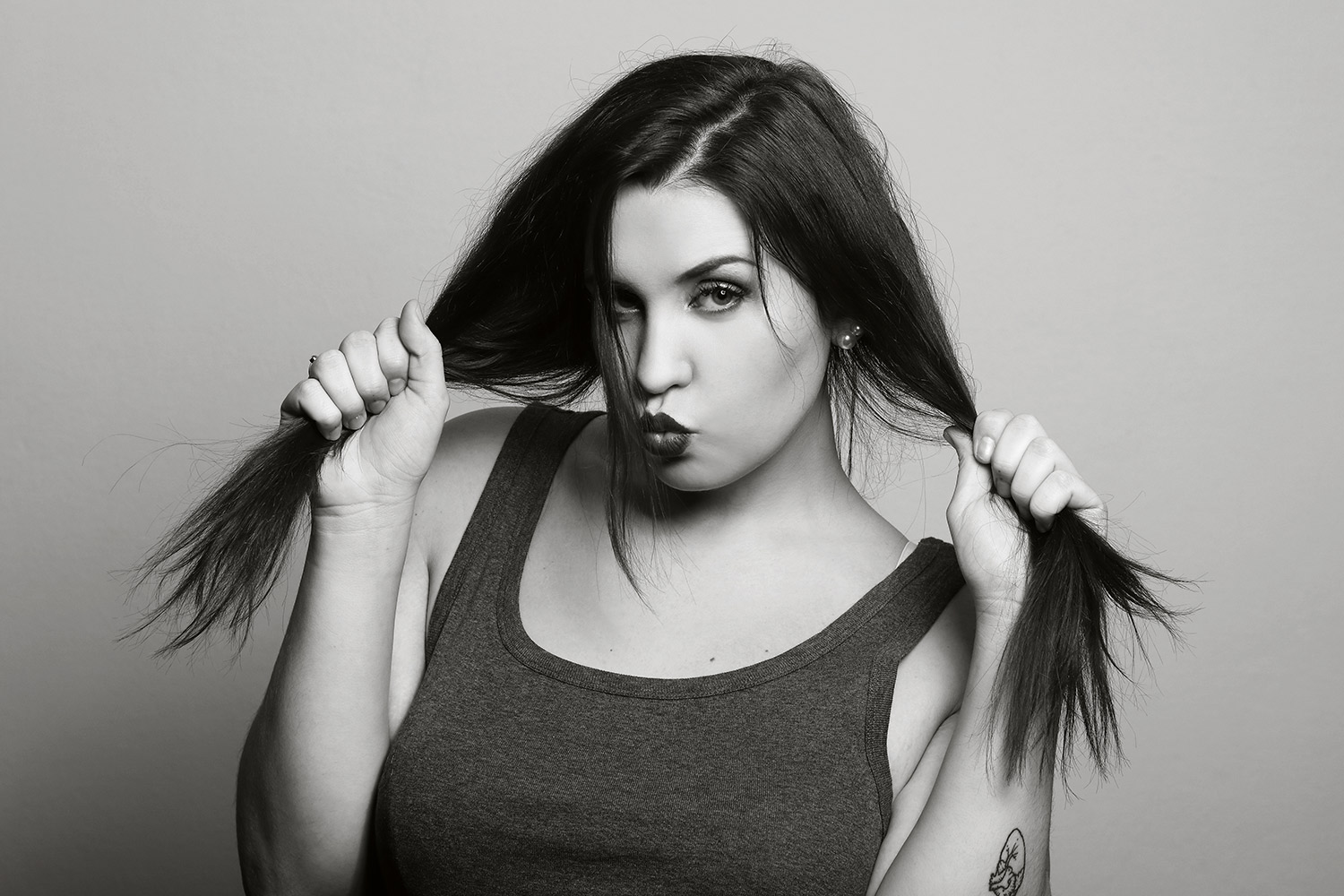
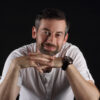
A natural portrait may look light and effortless in the final photograph, but that does not mean the person simply “relaxed” and the image happened by itself. The instruction “just be natural” rarely works — in reality, it often causes the exact opposite.
A staged-looking portrait usually appears at the moment when a person becomes too aware of themselves: the expression is held for too long, the posture is technically correct but emotionally empty, the smile is there, but it is not connected to anything. The result may be sharp, well lit, and professionally processed — and still feel wrong.
How Does a Natural Expression Happen in Front of the Camera?
A natural expression in a portrait does not mean casualness or simply capturing an unstyled snapshot. It means that you believe the photograph — that the person you see in it is the same as in real life and is not acting. Light, composition, and styling are still present, of course, but they are not what you notice first. The person remains the focus.
That is exactly why guidance during a photoshoot is so important. It is not about learning a list of poses, but about reading what is happening in front of the camera and adjusting small details — the angle of the shoulders, the position of the head and hands, the gaze, the weight of the body. These details decide whether the person in the photograph appears open, distant, confident, or insecure. The difference is often just a few millimetres.
The face itself is asymmetrical too — everyone has one profile that tends to look more pleasing in photographs, while the other can look harsher. When a person is unsure in front of the camera, they often unconsciously turn toward that harsher, more “defensive” profile — and that is exactly what does not work well in the final photograph.
After more than 20 years of photographing people of over 100 nationalities, one thing has become clear to me: the same pose, expression, or light does not work the same way for everyone. A natural portrait always has to be found in relation to the specific person — and that is why the advice “just be yourself” is not very helpful. Most people are several versions of themselves, depending on the environment, relationship, and purpose of the photograph.
Why Does Naturalness Depend on the Purpose of the Photograph?
A portrait for a website is not the same as a private photograph. A LinkedIn photo is different from an artistic portrait. People who present themselves publicly — company founders, consultants, artists, scientists… — have different expectations for the final photograph than someone who simply wants a personal memory. The aim of the photoshoot is not to lower these expectations, but to work with them so the result feels calm but not passive, confident but not theatrical, serious but not staged.
Light also plays a role — not only technically, but also through the mood and level of formality it gives the portrait. It can make a portrait feel more intimate, more dramatic, or cleaner. The same applies to photo retouching: when too much is corrected, the portrait loses credibility. In both cases, the principle is the same — light and retouching should support the person, not replace them with a smoother, more perfect version.
A natural portrait does not mean “without guidance.” It means that the guidance has done its job so well that it is no longer visible in the final photograph — what remains is the person, not a mask, a performance, or a generic “professional” expression.
Do you want a portrait that feels natural and professional at the same time?
Together, we will find the expression, pose, and style that match you and the purpose for which you need the photographs.